Table of Contents
The Cost-Plus Tailoring Pricing Formula
When you hand over your fabric to a tailor and ask "How much will this cost?", the quote you receive is not arbitrary. Tailors calculate stitching charges using a cost-plus formula that covers business overhead, skilled craftsman time, materials, and risk.
The 5 Core Cost Components of a Stitching Bill
1. Skilled Master Craftsman Labor
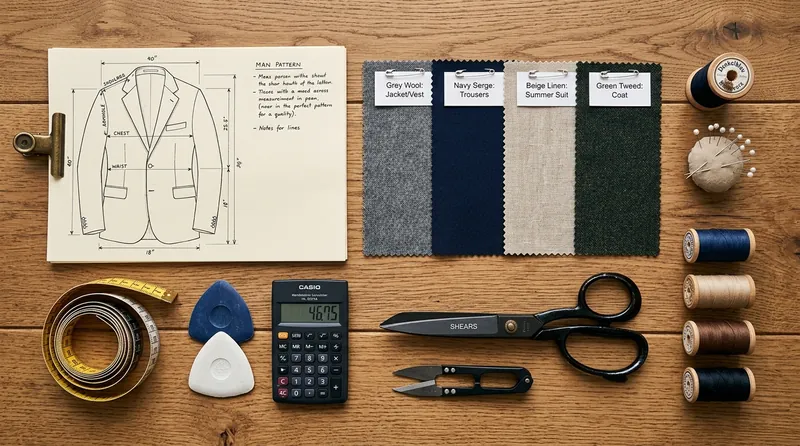
Tailoring requires two distinct skill tiers: the Master Cutter (who drafts pattern geometry onto fabric) and the Machine Tailor (who sews panels together). Master cutters earn higher daily wages because a single miscut ruins expensive customer silk.
2. Overhead Amortization
Commercial rent, electricity bills for heavy steam irons and lighting, machine lubrication/maintenance, and staff benefits are divided across estimated monthly garment volume.
3. Trims & Auxiliary Materials
Cotton lining fabric, fusing interfacing, heavy-duty YKK metal zips, molded chest pads, stay-tapes, stay-stitching threads, and shoulder snaps are calculated into the unit cost.
4. Design Complexity Surcharge
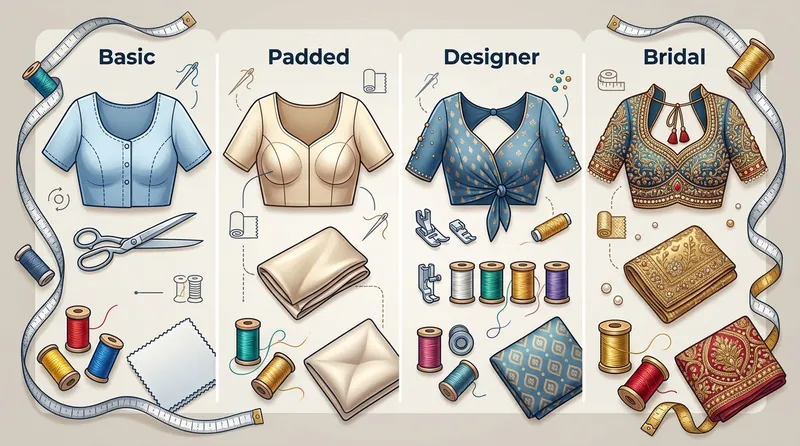
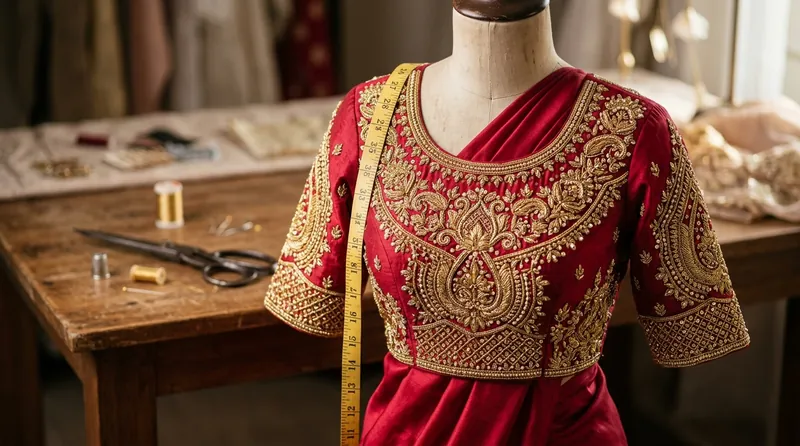
Intricate neck cuts (sweetheart, keyhole, queen anne), sheer net insertions, sleeve pleating, and corset boning add extra cutting and stitching minutes.
5. Fitting & Alteration Allowance
Professional shops build a 10% to 15% buffer into their pricing to account for trial fitting session time and minor post-stitching adjustments.
Why Prices Vary Between Similar Tailors
Two tailors on the same street might quote different rates because of their operational model. A home-based tailor has near-zero overhead and can charge lower rates while keeping the same net profit margin. Conversely, a boutique studio with 5 staff members and prime rent must charge more to break even.
Learn more about operational differences in our article on Home Tailor vs Boutique Pricing Comparison.
Smart Tips for Evaluating Tailoring Quotes
- Ask if Lining & Trims are Included: Ensure the quote includes inner lining and zip fasteners.
- Specify Delivery Date Early: Avoid rush delivery fees by submitting fabrics at least 7 to 10 days in advance. Read our Urgent Stitching Guide for fast-turnaround advice.
- Provide Reference Photos: Showing exact neck and back designs avoids misunderstandings regarding design complexity fees.